
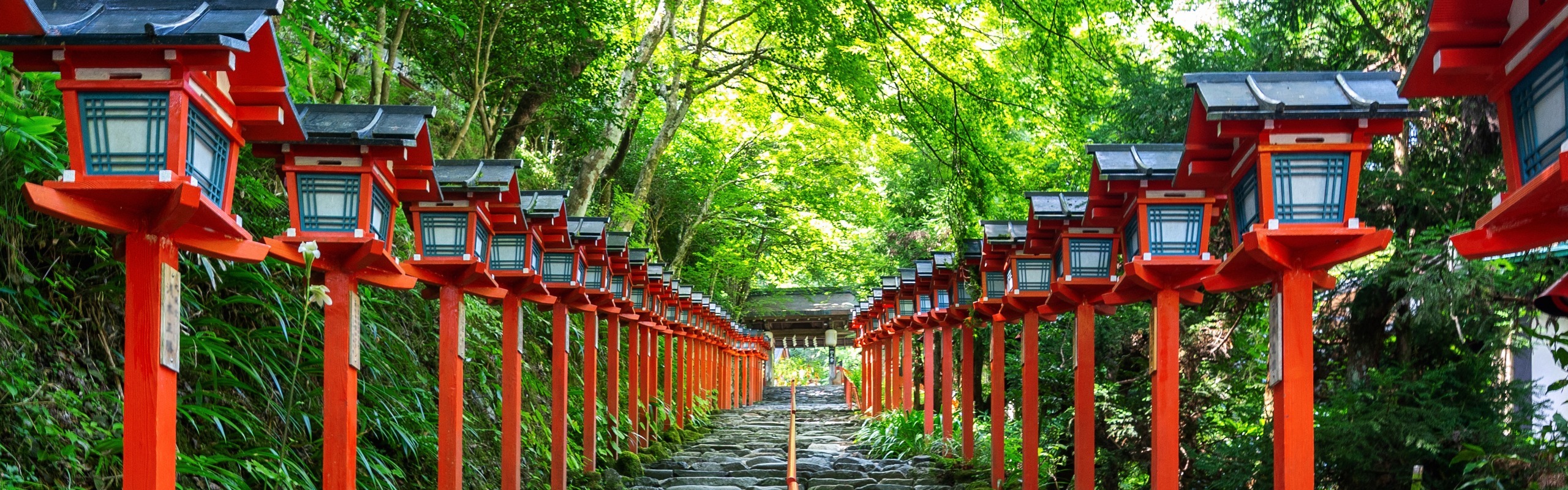
Japan's rainy season (Tsuyu in Japanese) comes to most of Japan from early June to mid-July. The heaviest rain typically hits central Japan at the end of June.
Rainfall usually comes occasionally and rarely lasts a full day, so you can still have wonderful experiences in between the rain if you prepare well with a flexible itinerary.
In this article, you'll get to know more about the dates of the rainy season, the best places to go, and the best time to visit Japan.
When is the Rainy Season 2027 in Japan?
In 2027, the rainy season for most of Japan (including Tokyo, Kyoto, and Osaka) is expected to run from June to mid-July.
This year, the rainfall will be heavier than usual, especially in Kyushu and the Tohoku region. Temperatures are also expected to be higher.
Okinawa will enter its rainy season first, starting in early May, while the northern Tohoku region will begin around late June. Hokkaido is the only region without a typical rainy season.
Check the map below for an overview of Japan's 2027 rainy season, based on historical regional averages:
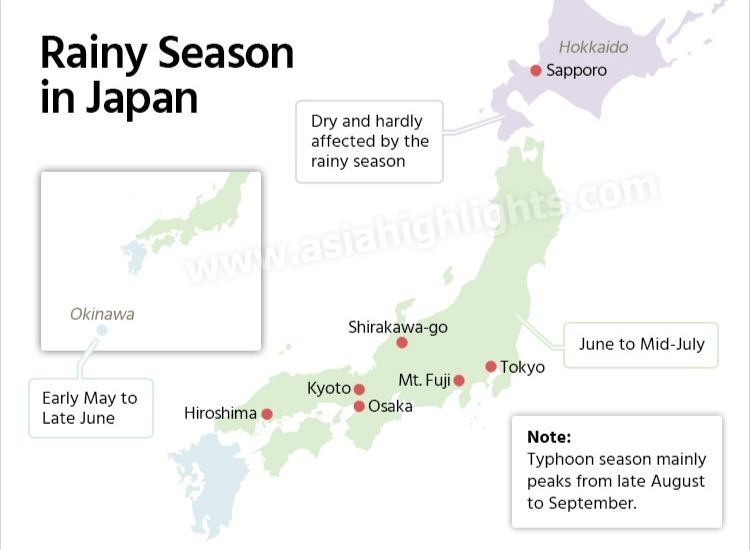
Japan's Rainy Season by Region
The timing of the rainy season varies by about 5-10 days each year. The table below shows the rough idea of the rainy season periods across major regions, based on recent years' average data.
| Regions | Start Date | End Date | Weather Notes |
|---|---|---|---|
| Okinawa | May 8 | June 23 | The rainy season may overlap with early typhoons, with strong thunderstorms possible. |
| Southern Kyushu (Fukuoka) | May 29 | July 13 | Slightly higher rainfall |
| Shikoku (Matsuyama) | June 4 | July 17 | Heavy rain increases from late June to July. |
| Kansai (Kyoto, Nara, Osaka) | June 6 | July 19 | Hot and Humid |
| Kanto (Tokyo) | June 8 | July 20 | Frequent sudden showers, high humidity |
| Tohoku | June 12 | July 27 | Cooler but often overcast or rainy. |
| Hokkaido | No rainy season. |
Planning a Trip to Japan During the Summer Rainy Season?
We'll help you plan your itinerary to smartly avoid the heat and rain. Just share your preferences, and we'll create a unique, tailor-made Japan trip just for you. Start planning your perfect Japan adventure with us today!
How Bad Is Japan's Rainy Season? What to Expect
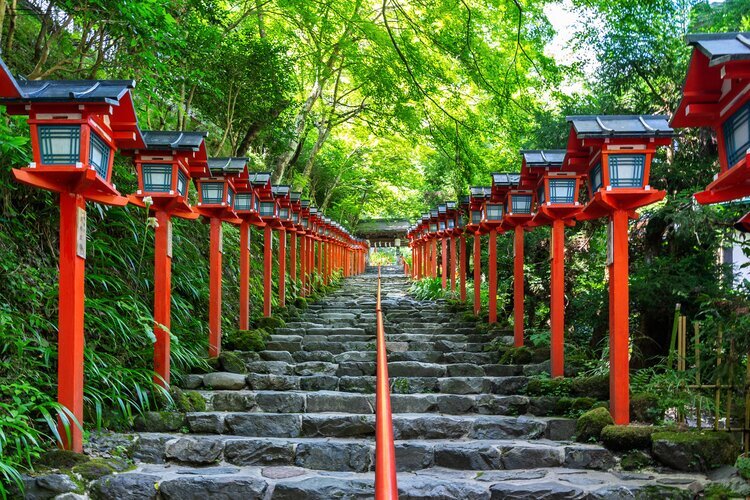 Kifune Shrine after rain
Japan's rainy season can indeed be hot and humid, especially in July. Heavy rain or short storms can happen, and temperatures are usually around 28–32°C (82–90°F). It can feel closer to 40°C (104°F) because of the humidity. Even a short walk outside can make you sweat.
But in reality, it's not as bad as many people imagine—especially if you plan ahead.
Not all months of the rainy season feel this intense. June is more comfortable, with lighter rain and temperatures around 22–28°C (72–82°F).
You won't be outdoors all day anyway. Japan has plenty of great indoor experiences—museums, cultural workshops, shopping, and more—all with good air conditioning.
And it doesn't rain all the time. You can expect about a 40%–60% chance of rain (around 45% in Tokyo), but it doesn't rain all day, and you'll often get breaks of sunshine in between. There are plenty of days with little or no rain at all.
In the north of Japan, such as Hokkaido, the weather stays much cooler, and there is no typical hot, humid rainy season.
Planning a Trip to Japan This Summer?
Check out our most popular tour: 8-Day Essential Japan Family Trip with Culinary Delights. We can tailor it to match your family's specific interests and needs.
Or simply tell us what you're looking for—we'll design a personalized itinerary just for you.
5 Best Places to Visit in Japan in the Rainy Season
Traveling during Japan's rainy season, you could seek out drier places to go, like Hokkaido. Or you could visit cities with abundant indoor activities, such as Tokyo, Kyoto, and Hakone. Shirakawa-go actually becomes appealing with rainfall!
1. Hokkaido: Great for Outdoor Activities
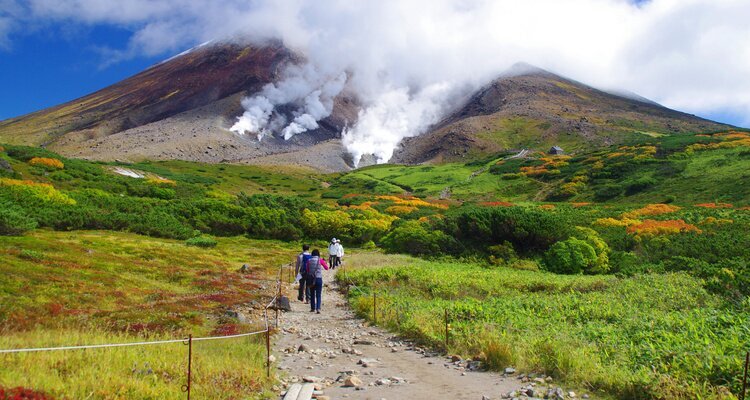 Hiking in Hokkaido in summer
Escaping from the wet areas of Japan, you could enjoy relatively mild and sunny days in Hokkaido's summer, with temperatures averaging 22°C (72°F).
You may enjoy scenic biking around the countryside, hiking in the lush green mountains or national parks, and even going on a whale-watching tour.
Read more tips on How to Plan a Trip to Hokkaido in Summer
2. Tokyo: Heaven for Indoor Activities
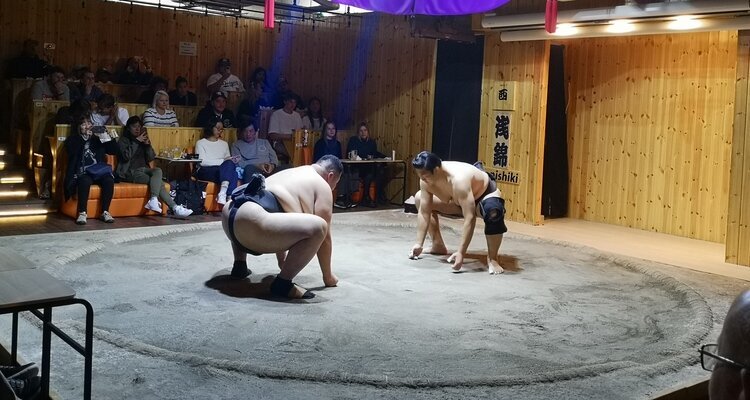 Sumo Show in Tokyo
The rainy season in Tokyo is slightly milder than in Kyoto and Osaka. Temperatures are usually 1–3°C cooler, and the humidity feels a bit more manageable.
The city is packed with indoor options to keep you entertained on rainy days. Think endless shopping, futuristic museums, anime experiences, sumo shows, and hands-on activities like sushi-making classes.
In Tokyo, you don't need to worry about the rain at all. You can easily spend a full day enjoying indoor attractions without missing a thing.
3. Kyoto: Soak in Cultural Experiences
Known for its cultural experiences, Kyoto is still quite visitable during the rainy season.
Rainfall can make your trip more atmospheric: listen to the pitter-patter of rain as you partake in a tea ceremony with a geisha or taste an elaborate kaiseki feast...
With few crowds, you could slow down and appreciate Kyoto's iconic temples and shrines in peace. The rainy season is the best time to admire Kyoto's gardens when they're full of lush greenery.
4. Hakone: Relax in a Ryokan with Hot Springs
Ryokans (traditional Japanese inns) with hot springs offer a great indoor getaway during the rainy season's inclement weather. After several days' travelling, what could be more relaxing than soaking in a hot spring?
Beyond the ryokans, you can visit the world-class art museums. With various art museum themes, you could choose what you're interested in seeing—from paintings to arts and crafts. If the weather permits (there are non-rainy days in the rainy season), you might have a chance to see a clear view of Mt. Fuji from Hakone.
5. Shirakawa-go: Enjoy Idyllic Rural Scenery
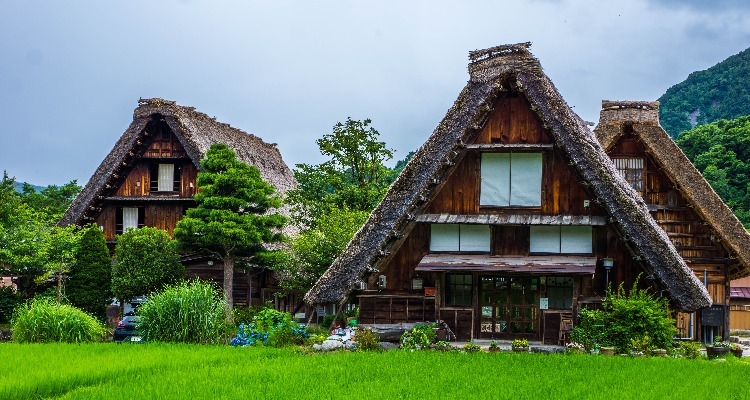 Unique Traditional Houses in Shirakawa-go
Hidden in Japan's mountainous interior, Shirakawa-go is famous for its gassho-zukuri farmhouses (traditional Japanese farmhouses with long thatched roofs).
You may feel particularly awe-inspired when looking at the quaint rural dwellings surrounded by lush green rice fields and colorful summer blooms. Staying in a traditional farmhouse offers more contact with locals.
Your trip would not be spoiled by rainfall… On the contrary, the winding mist following a downpour makes Shirakawa-go still more attractive!
Explore Japan with Our Family Tours
Check out our most popular summer family tour in Japan. You can easily customize the itinerary to match your family's unique interests and preferences.
Tips for Visiting Japan during the Rainy Season
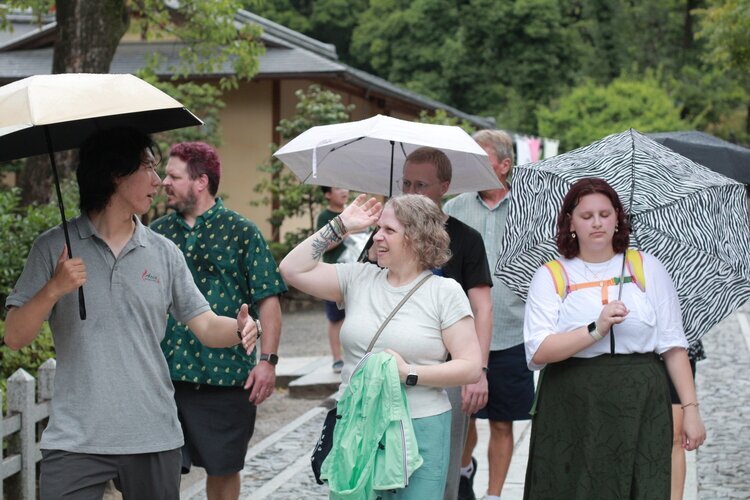
Japan's rainy season can be hot and humid, but don't let that stop you. Just pack smart and be flexible; you can still have a very enjoyable trip. Here are some practical tips based on real travel experience:
1. If possible, travel in June
June is usually the best time within the rainy season. The weather is milder, with light rain and comfortable temperatures (around 22–28°C / 72–82°F). By July, it gets much hotter and more humid, with a higher chance of heavy rain or even storms.
2. Mix indoor and outdoor activities in your day
Start early with outdoor sightseeing when it's cooler and less crowded. Save indoor activities, like museums and cultural experiences, for the hotter or rainier afternoon hours.
3. Keep Your Itinerary Flexible
Check the weather forecast daily and adjust your plans accordingly.
On rainy afternoons, switch to indoor spots such as museums, shopping malls, or onsens. When the weather clears, head out for outdoor attractions.
If you travel with us, our guide will help adjust the next day's plan based on the weather.
4. Pack smart for rain and humidity:
- Rain gear: A compact umbrella is essential (easy to buy at convenience stores, and our guide will help prepare one for you)
- Shoes: Waterproof or quick-dry shoes, plus extra socks
- Clothing: Go for quick-dry fabrics (T-shirts, pants). Bring a light long-sleeve layer for air-conditioned or cooler moments. Avoid cotton; it dries slowly
- Waterproof bags: Use ziplock bags or dry bags for your passport, phone, and electronics
5. If you travel in July, prepare for the heat: it can feel very humid and sticky. A small handheld fan can make a big difference when you're out during the day.
6. Avoid long hikes, especially in July: the heat and sudden heavy rains make long-distance hiking uncomfortable and sometimes unsafe. It is best to skip routes like the Kumano Kodo or Nakasendo Trail.
Explore Japan with Us
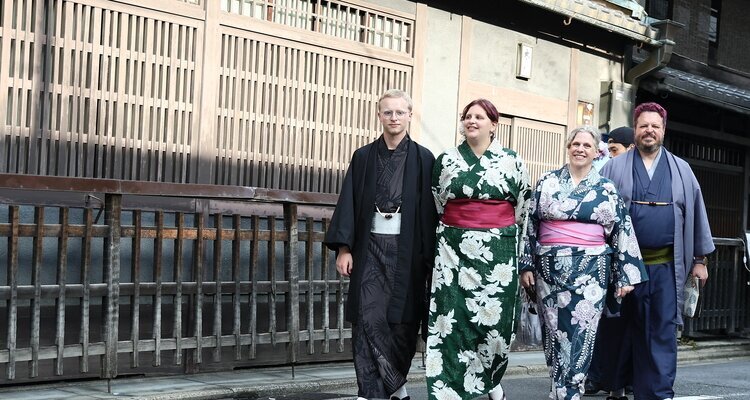
Contact us to create a customized itinerary based on your interests and time. Your guide can call or email you within 24 hours! Or get inspiration from the sample itineraries below:
- 9-Day Japan Highlights Tour (Tokyo-Hokkaido-Kyoto)
- 11-Day Traditional Japan Tour (Osaka-Hiroshima- Kyoto-Tokyo)